

Holiday prices rise or fall depending on demand, seasonality, and real costs. Understanding these factors helps you pay less for the same experience.
• Price increases or decreases in tourism are driven by demand, seasonality, and operational costs
• Holidays do not become more expensive “arbitrarily,” but as a response to inflation and logistics
• There are predictable periods when prices are lower
• Early booking and last minute work differently, in different contexts
• An informed tourist can save money without reducing comfort
• Valentinatur explains these dynamics based on real data and hands-on experience
By analyzing official statistical data and global tourism trends, Valentinatur explains how holiday prices actually evolve for tourists from the Republic of Moldova and Romania. The analysis is based on public information provided by the National Bureau of Statistics of the Republic of Moldova and on studies published by the World Tourism Organization (UNWTO) , correlated with demand dynamics, seasonality, and operational costs. The goal is to offer tourists clear, verifiable, and practical explanations to support informed decision-making, rather than simplistic perceptions of seemingly “arbitrary” price increases or decreases.
Why Prices in Tourism Rise or Fall
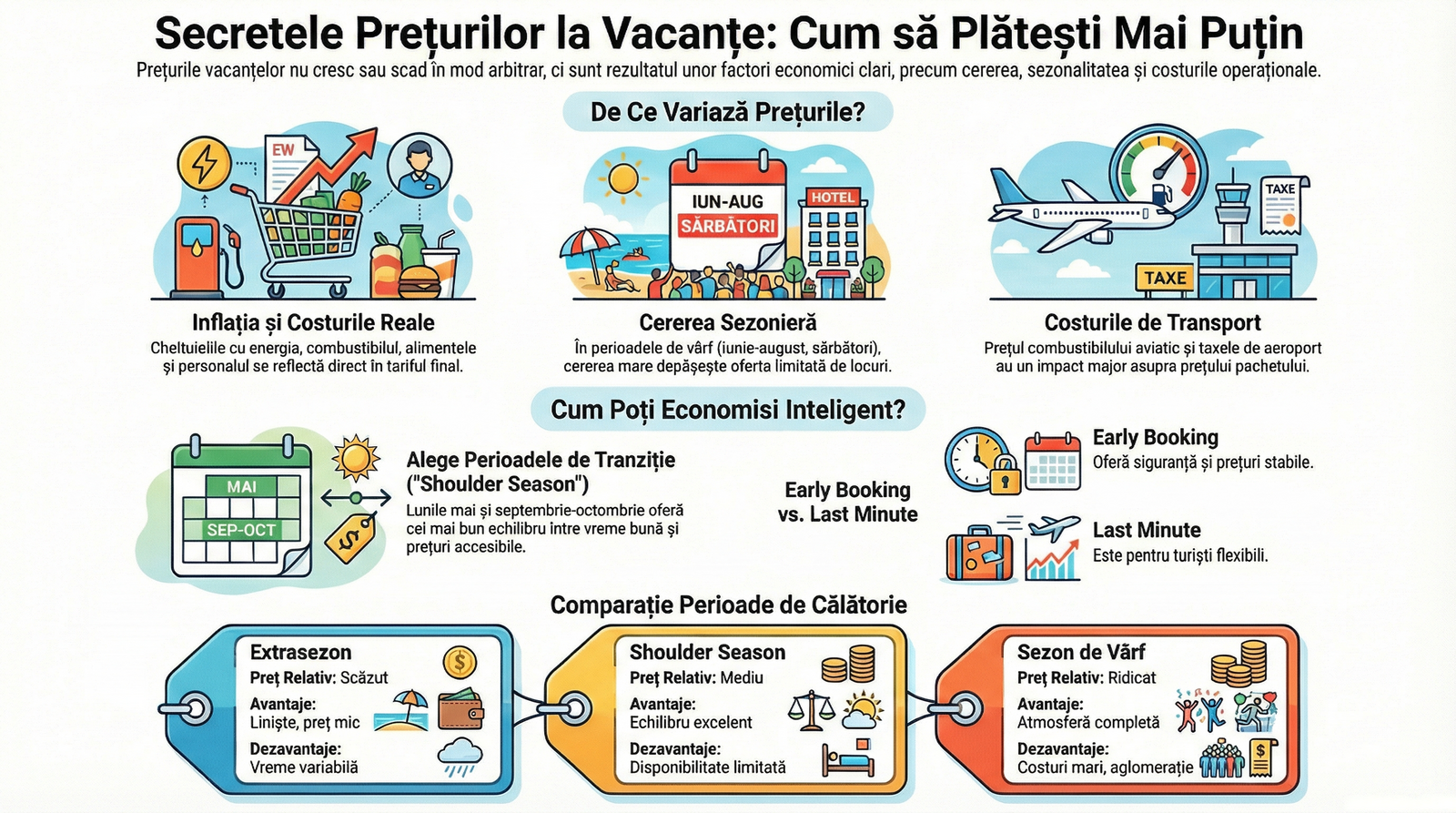
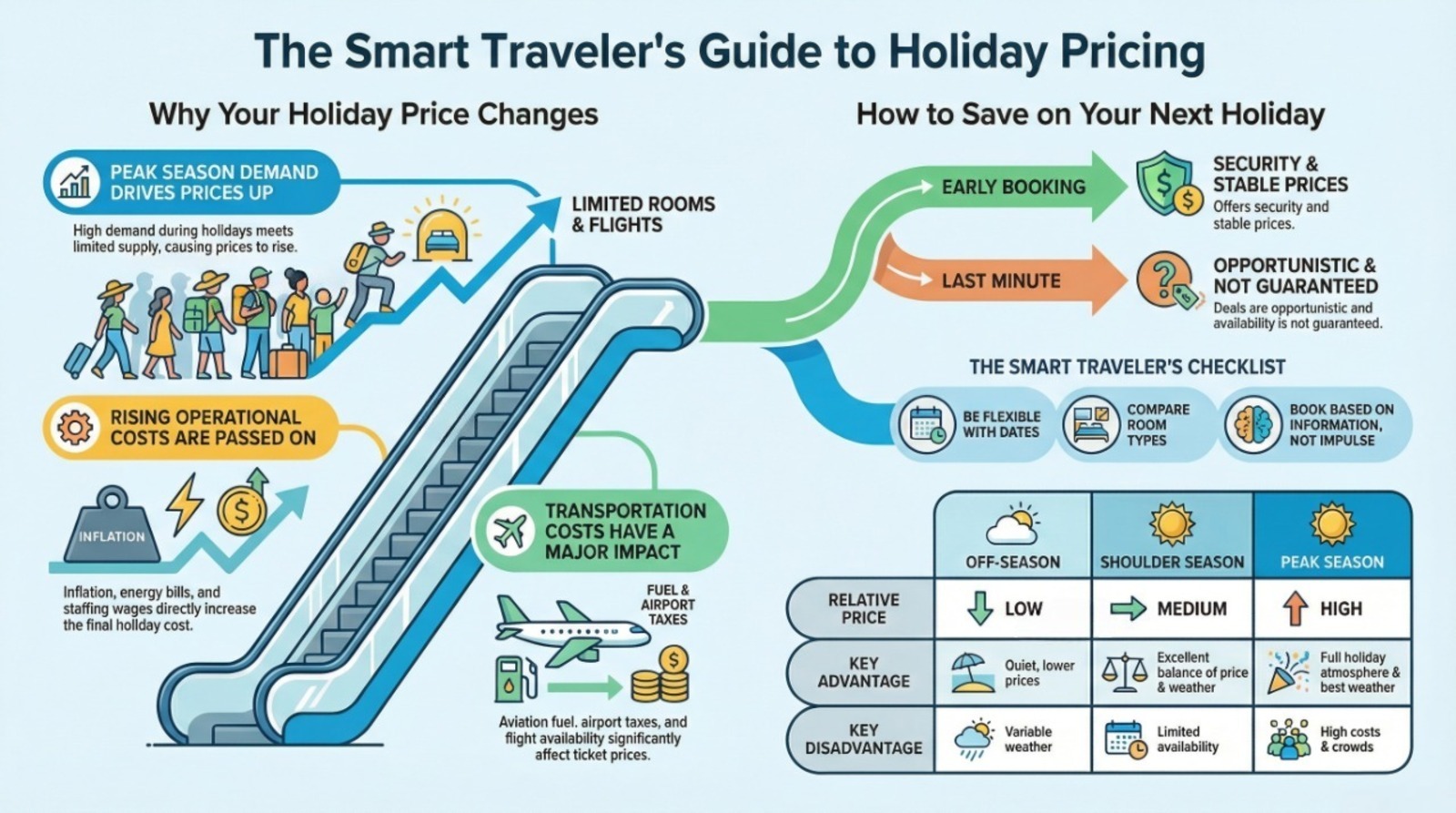
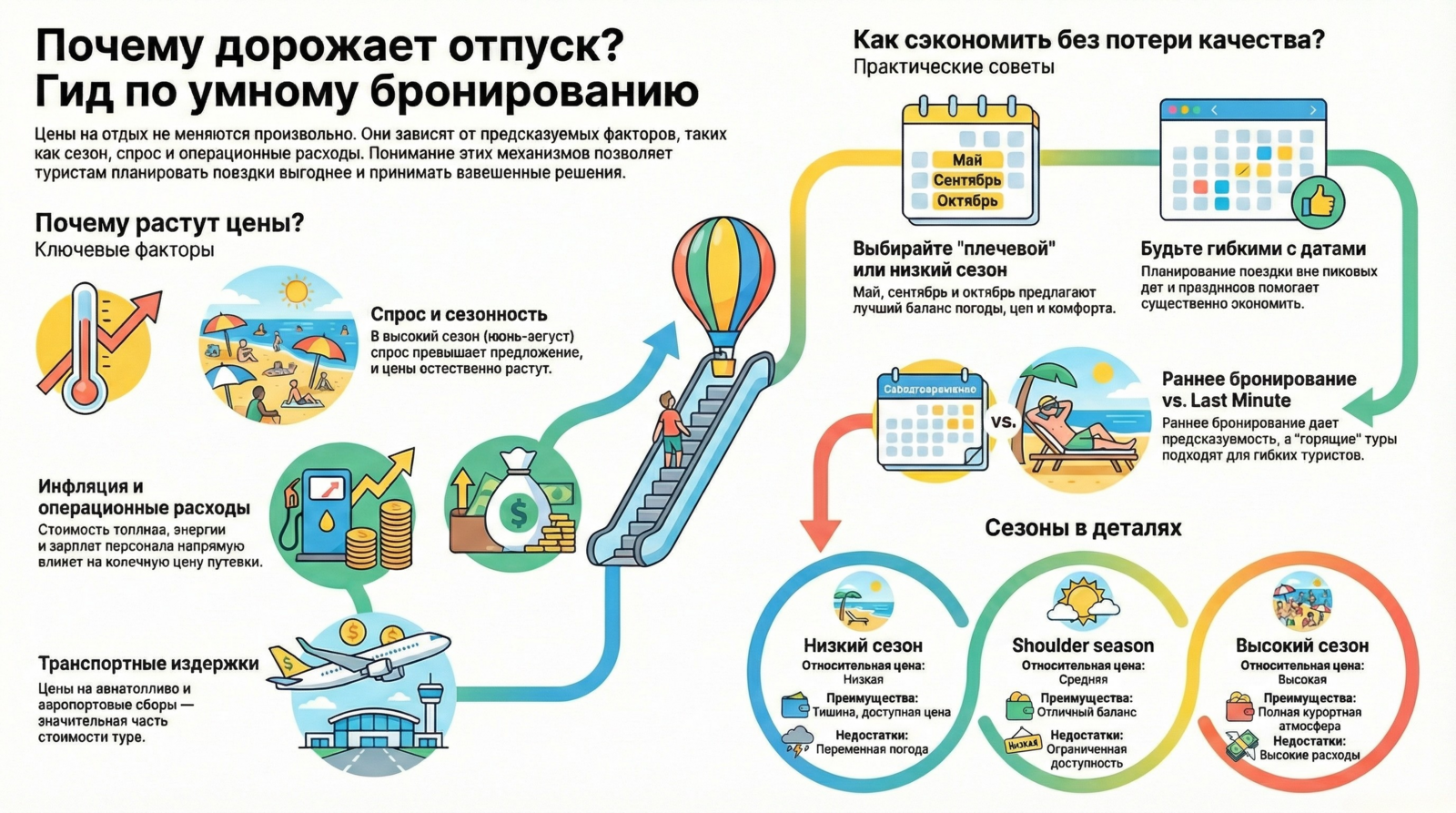
Price increases and decreases in tourism result from the balance between demand for tourism services and the available supply. The economic context, seasonality, and tourist behavior all influence this balance. During peak periods, when demand for tourism services exceeds service capacity, prices naturally rise because availability becomes limited. In periods of lower demand, tourism operators reduce prices in order to maintain occupancy and cover fixed operating costs. Based on our experience, this pricing movement occurs every season.

Additional factors such as inflation, transportation costs, energy prices, and wages in the hospitality industry directly affect the final price of holidays. Seasonality amplifies price fluctuations, especially in destinations where demand is concentrated within a short time frame. Overall, price evolution is a predictable process that tourists can anticipate in order to make informed decisions aligned with their budgets. We have observed that planning in advance helps manage overall travel costs.
Tourism Inflation
Inflation has a direct impact on tourism. This occurs because most tourism-related costs come from food, utilities, fuel, and services. When these costs increase, tourism service providers cannot absorb them entirely, so a portion of inflation-driven expenses is added to the holiday price. As a result, inflation makes travel more expensive for consumers. Ultimately, inflation affects everyone.
Accommodation providers face higher expenses for energy, supplies, and wages, while air transport is impacted by high fuel prices and operational fees. In this context, inflation creates constant pressure on tourism tariffs, and rising prices primarily reflect adjustments to real operating costs rather than automatic profit increases.
Seasonal Demand
During peak periods, such as June–August or the weeks around public holidays and school vacations, demand for tourism services increases significantly. Hotels, however, have a limited number of rooms and cannot quickly expand capacity. Aircraft also have a fixed number of seats, and tourism infrastructure as a whole operates within limited capacity. As a result, prices for tourism services rise. Prices increase because demand is high and supply is limited. This price growth occurs naturally during these periods, as tourism services are in higher demand.
Price Adjustment Mechanisms
Price adjustments are not arbitrary decisions made by travel agencies; they are driven by market mechanisms. Hotels and airlines adjust their capacity during peak periods and set prices based on demand levels. Prices reflect the intensity of demand. For tourists, understanding this process explains why the same holiday can cost different amounts depending on the chosen travel period. It also highlights the advantages of planning trips outside the peak season when budget considerations are important. Based on our extensive experience of over 15 years, we have observed that off-season planning consistently helps travelers save money.
Transportation Costs
Charter flights, aviation fuel, and airport taxes have a significant impact on the final price of a holiday, especially for departures from Chișinău, where route options and flight frequencies are more limited than at major regional airports. The cost of a charter flight is made up of multiple components - fuel, operating fees, ground handling, and aircraft leasing - all of which are sensitive to economic and geopolitical fluctuations.
Aviation fuel represents a major expense for airlines, and fuel price fluctuations are quickly reflected in ticket fares. Airport and security charges are added to the base fare and vary from one airport to another. These fees are included in the final price. Departures from Chișinău face fewer operational alternatives, so the impact of aviation fuel costs and airport and security charges is felt more strongly. As costs increase, the price of tourism packages rises accordingly.
Energy and Staffing
Hotels operate with a cost structure that includes seasonal employees, high energy bills, and ongoing procurement expenses. When hotels are fully booked, they must hire additional staff and therefore offer higher wages. In many destinations, hotels struggle to find enough available workers, which forces them to pay more in order to maintain service quality. This represents a real and ongoing challenge.
At the same time, costs related to energy, water, and logistics - especially in all-inclusive hotels - are directly reflected in room rates. Price adjustments are therefore an adaptation to real operating costs, not an arbitrary increase.
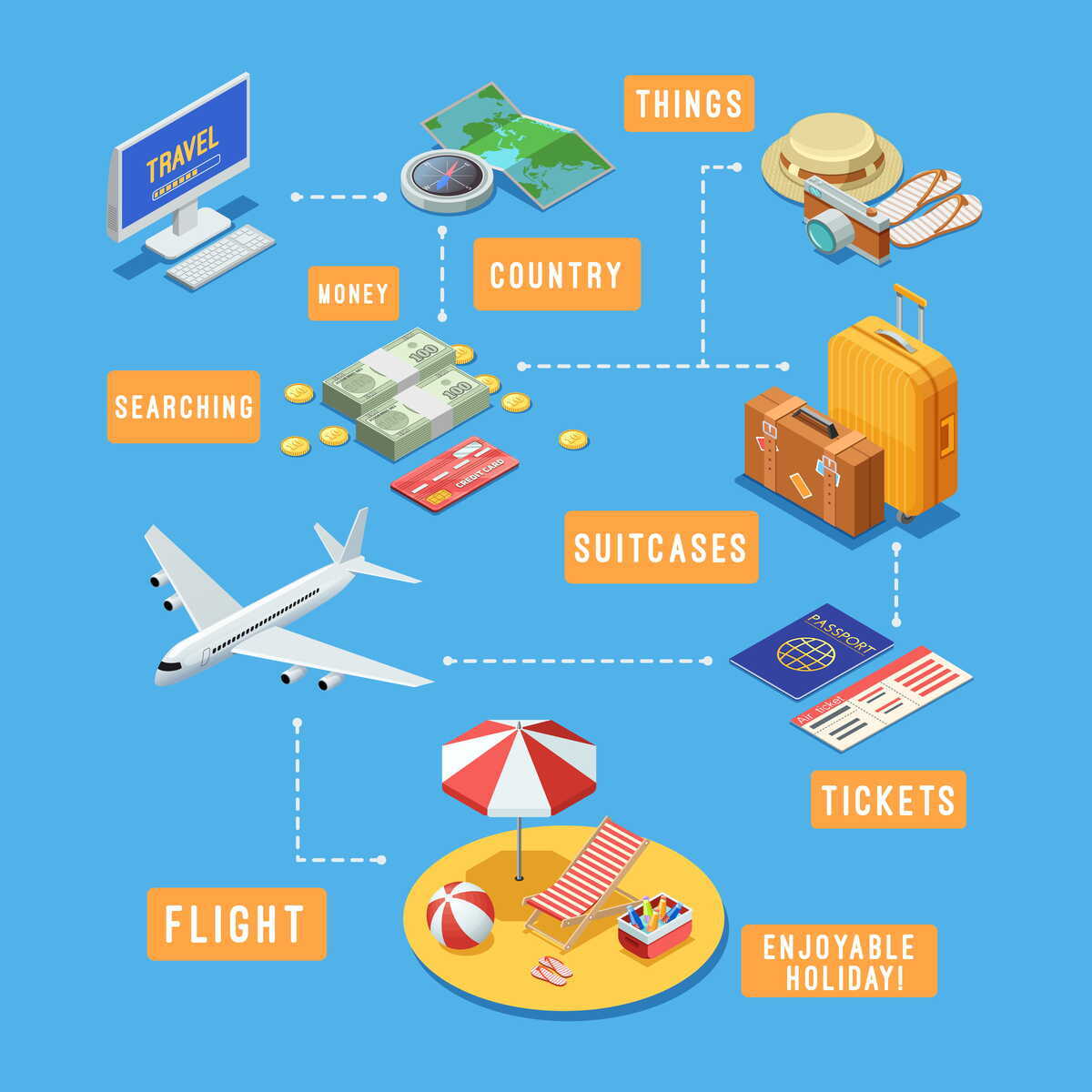
What Influences the Price of a Holiday the Most
• Chosen period – peak season vs. off-season
• Timing of the booking – early booking or last minute
• Transportation – charter, low-cost, or scheduled flights
• Type of accommodation – new hotel vs. established hotel
• Length of stay – additional nights = different marginal cost
• Destination demand – trends and popularity
When Holidays Are Cheaper
Off-season (low season)
Periods immediately following the peak season - especially September and October - often offer the best price-to-quality ratio for families and senior travelers. Demand drops significantly after school holidays end, and hotels and tour operators adjust rates to maintain healthy occupancy levels. These periods allow tourists to benefit from lower prices, more personalized services, and a higher level of comfort thanks to reduced crowds and a more relaxed pace at destinations. All members of the Valentinatur team have traveled with their families during different periods and personally experienced this difference.
Shoulder season
May and the end of September are considered transition periods. Weather conditions are generally favorable, prices are much lower than during peak season, and demand remains balanced. Hotels and transportation providers offer better rates, which encourages bookings. For many travelers, these periods provide an excellent compromise between comfort, pleasant weather, and lower costs, without the congestion typical of peak months. Our experience confirms this.
Early booking vs. last minute
Early booking provides predictability and peace of mind. It allows travelers to secure accommodation, flights, and prices in advance, usually at more stable rates. Early booking is a reliable choice for those who prefer to plan ahead.
Last-minute offers appear only when there is unused capacity and cannot be predicted or guaranteed. They are better suited to flexible travelers who can quickly adjust their plans based on availability. We have used both approaches and observed that early booking brings reassurance, while last-minute deals can offer pleasant surprises when availability exists.

How to Save Without Giving Up Comfort
The following actions help reduce travel costs without compromising comfort or the overall quality of the holiday experience.
Practical checklist:
• Choose shoulder-season periods
• Be flexible with travel dates
• Compare different room types
• Avoid unnecessary upgrades
• Analyze what costs are included
• Book informed, not impulsively
Comparative Table: Periods and Prices
The table below compares the main travel periods based on relative price levels, advantages, and potential limitations.
| Period | Relative Price | Advantages | Disadvantages |
|---|---|---|---|
| Off-season | Low | Quiet, lower prices | Variable weather |
| Shoulder season | Medium | Excellent balance | Limited availability |
| Peak season | High | Full holiday atmosphere | High costs |
How Holiday Prices Are Formed
Holiday prices are not fixed and can vary significantly depending on seasonality, demand, and operational costs. Below are short, clear answers to the most common price-related questions.
Why have holiday prices increased in recent years?
Inflation raises the cost of goods and services, while demand remains high during certain periods. Transportation, hotel energy expenses, and staffing costs have also increased, all of which are reflected in tourism prices, especially when supply is limited.
Are there periods when holidays are cheaper?
Yes. Off-season and shoulder season periods usually offer better prices without a significant loss of comfort or service quality. Demand is more balanced, allowing hotels to adjust rates while maintaining standards.
Fewer crowds create a calmer atmosphere, staff can focus more on individual guests, and facilities are less congested. Many travelers perceive higher overall value thanks to both savings and a more relaxed experience.
What influences the price of a holiday the most?
Seasonality, booking timing, and transportation costs play a decisive role. High demand during peak season pushes prices up, while off-season rates are more balanced. Fuel costs, taxes, and flight occupancy also affect final pricing.
How can you pay less for the same holiday?
By staying flexible, booking with accurate information, and avoiding peak travel periods.
Is early booking or last minute better?
Early booking is safe and predictable, while last-minute deals are opportunistic and work only in specific contexts.
Conclusion
Price increases and decreases in tourism can be understood and anticipated when analyzed correctly, beyond common narratives about price hikes or promotions. Prices are shaped by clearly defined economic mechanisms such as demand, seasonality, operational costs, and the broader macroeconomic context.
An informed tourist does not always look for the lowest price, but instead focuses on the real value of a holiday. This means understanding what is received in exchange for the money paid, the time of year chosen for travel, and how well the offer matches individual needs.
Making the right choice in tourism involves finding a balance between budget, expected comfort, booking timing, and experience expectations. Prices vary by period and destination for well-founded reasons. When these factors are understood, impulsive decisions and potential disappointments can be avoided.
Valentinatur acts as a guide, helping travelers navigate these dynamics using concrete data, industry trends, and real-world experience, enabling accurate comparisons and well-informed decisions.
It is important to remember that prices and conditions may vary depending on seasonality, availability, and the overall economic environment. A well-chosen holiday is the result of proper information—not simply a price comparison.
For a broader perspective on how traveler preferences are shaping the market and which destinations are expected to be most popular among Moldovan travelers , the dedicated analysis provides additional context based on real travel trends.
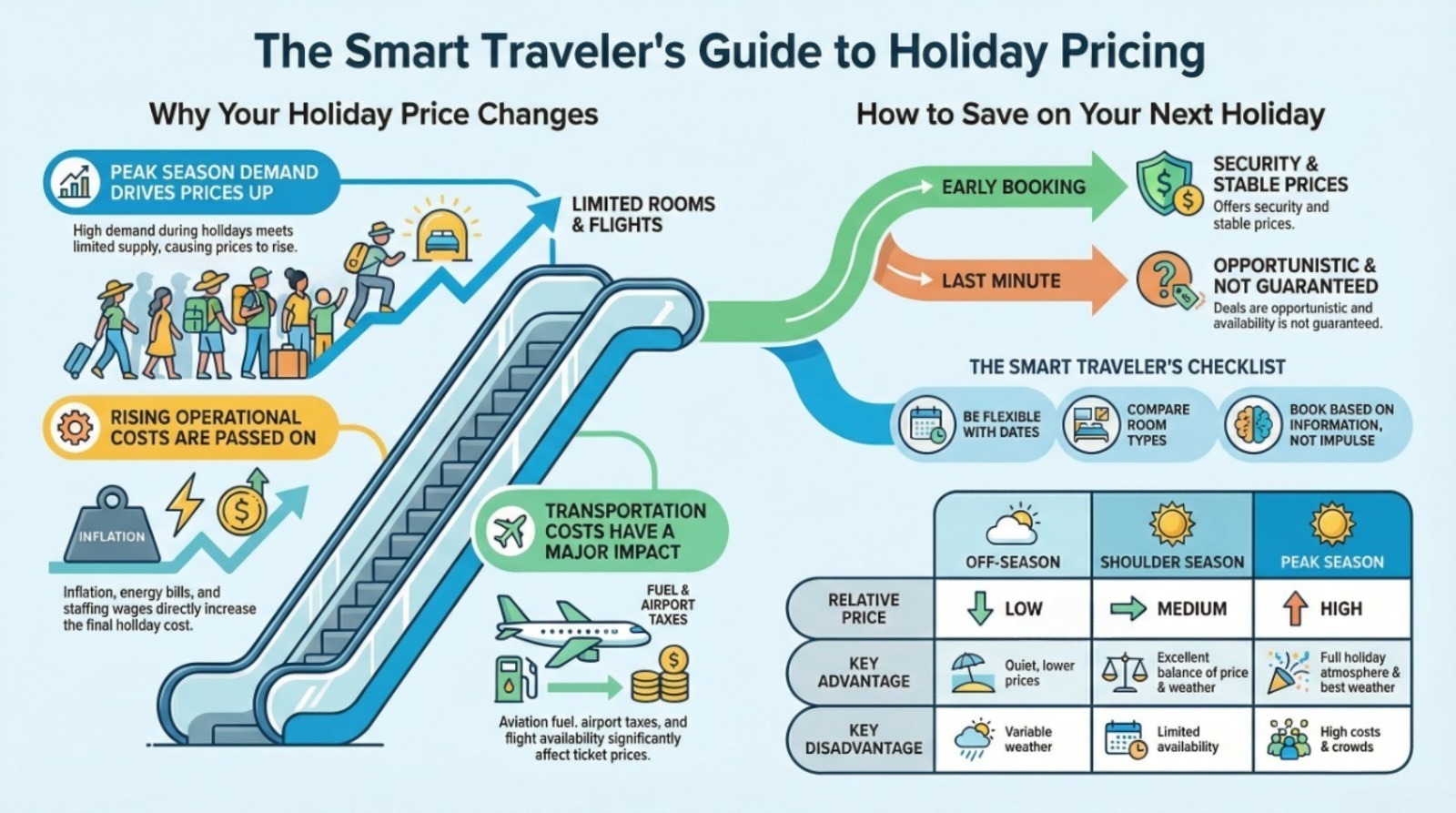
Holiday prices rise or fall depending on seasonality, demand, and real costs. By choosing the right travel periods and booking in an informed way, travelers can save money without sacrificing comfort or safety.
Not sure which destination is right for you?
Valentinatur travel consultants help you choose the best holiday based on your budget, season, and preferred travel experience.
📞 Get a personalized recommendation – 060 230 405
FAQs about vacation prices
Why do holiday prices increase?
Are there cheaper periods for travel?
Is early booking worth it?
How can I avoid hidden costs?