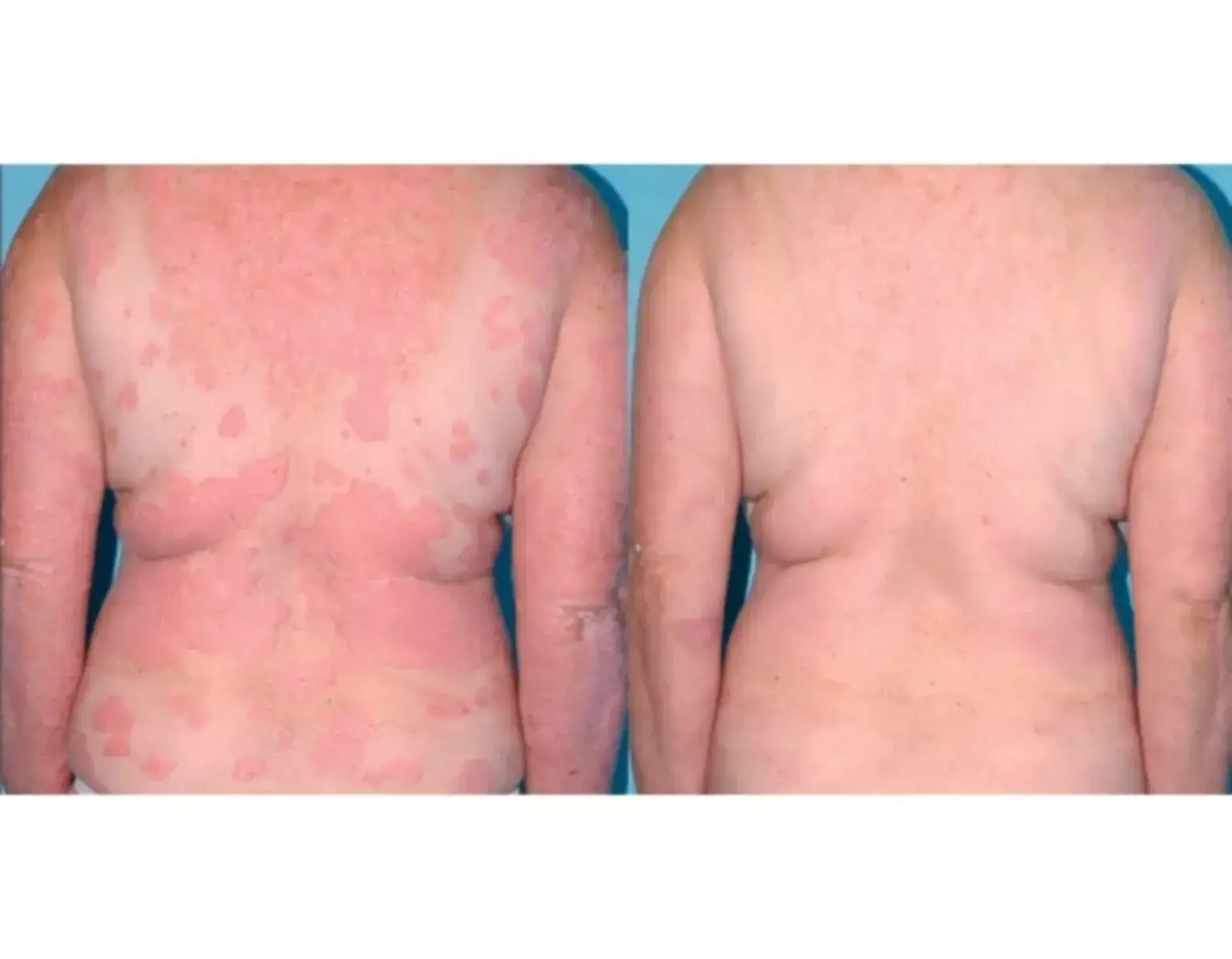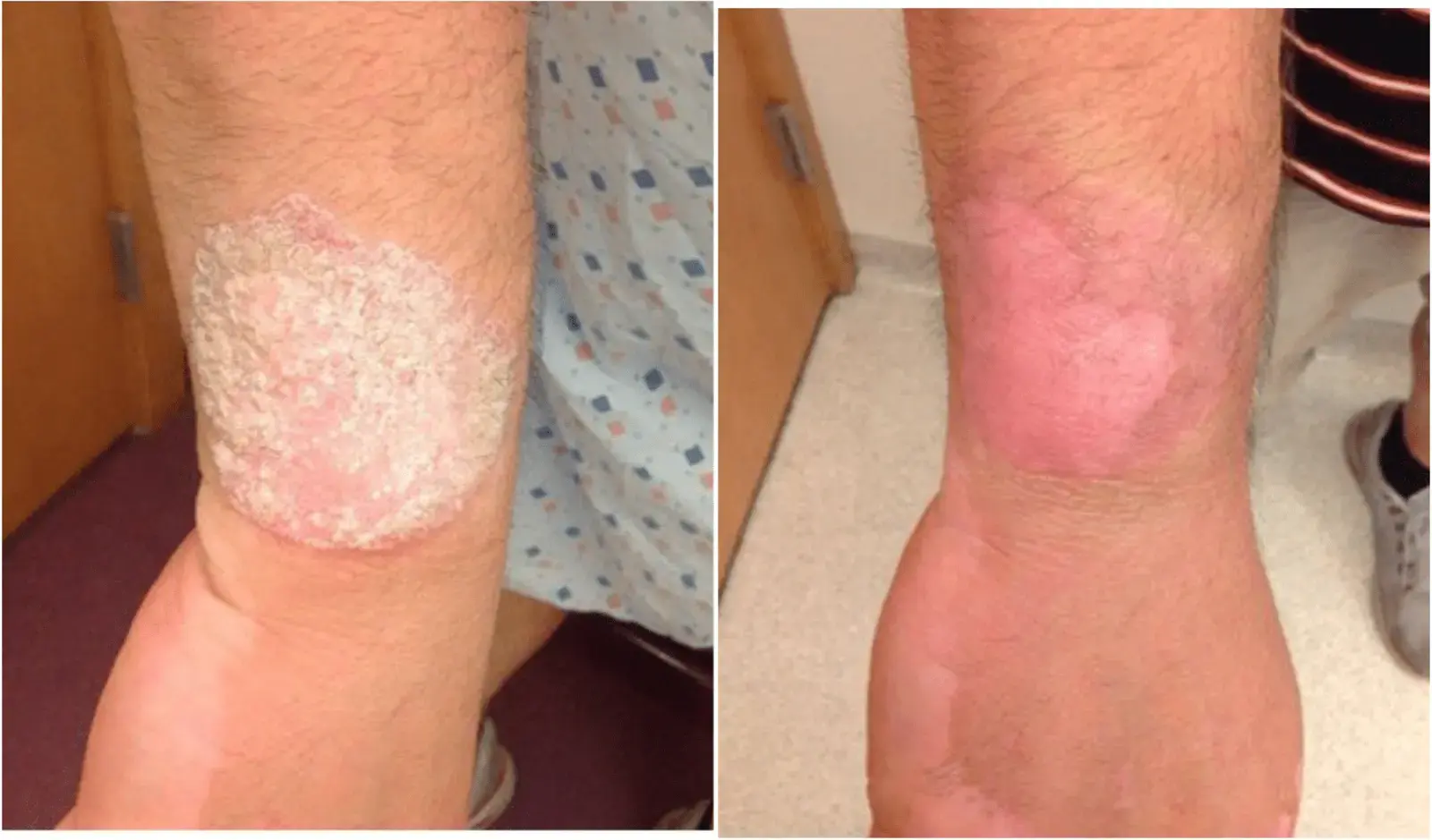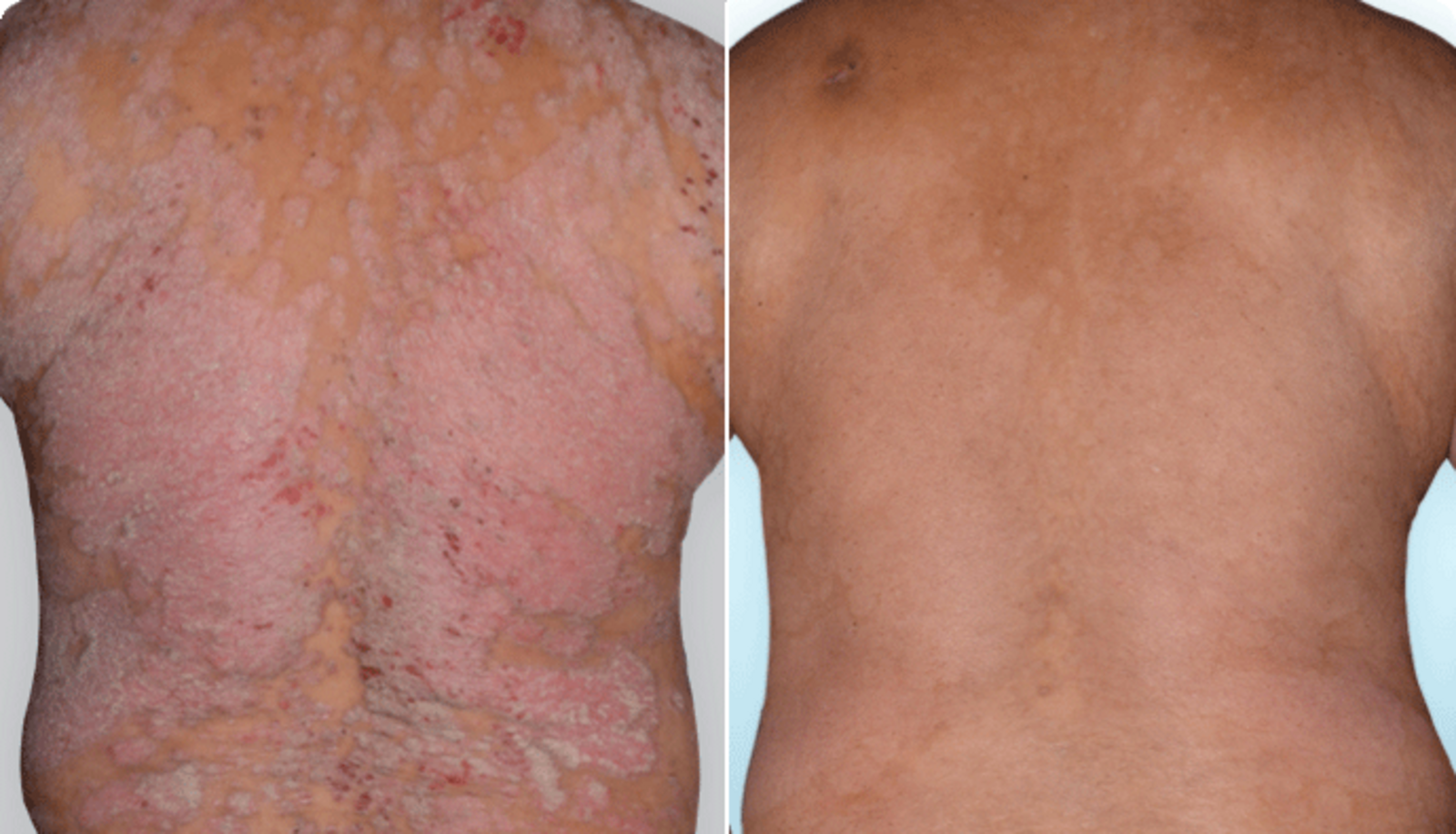


naftalan.md reviews clinical data recognized by the International League of Dermatological Societies (ILDS) on naftalan oil therapy for psoriasis, dermatitis, and eczema. Thousands of patients have traveled to Naftalan, Azerbaijan, over the past century looking for a real reduction in chronic skin inflammation.
Natural oil from Naftalan has treated skin for more than a century. Thousands of patients with psoriasis, dermatitis, and eczema have made this trip and found what home creams couldn't give them.
Naftalan is a small town in Azerbaijan, built quite literally around an oil deposit with therapeutic properties found nowhere else on the planet. Patients with chronic skin conditions - psoriasis, atopic dermatitis, eczema that resists standard treatment - travel here from Germany, Israel, Turkey, and the United Kingdom year after year for the same reason: conventional treatment gave them partial relief, and naftalan got them closer to real remission.
Naftalan oil isn't used like ordinary petroleum. It contains naphthenic hydrocarbons and steranes that, according to research published in medical literature, act directly on inflammation in the skin. The chemical composition has been studied separately in Azerbaijan and Croatia, and the findings line up: the therapeutic effect comes from the substance itself, not from a local coincidence or a spa tradition without scientific grounding.
This article breaks down what the clinical evidence shows for three distinct conditions - psoriasis, atopic dermatitis, and eczema - and what a patient planning a cure at Naftalan can realistically expect. For a detailed guide focused specifically on psoriasis, with subtypes and patient stories, visit naftalan.md, the reference platform for medical tourism in Naftalan.
What naftalan does to skin at a biological level
Skin affected by psoriasis, dermatitis, or eczema produces excess new blood vessels - a process called angiogenesis - which feeds a vicious cycle of inflammation. One clinical study on 10 patients with psoriasis vulgaris measured this directly, through skin biopsies taken before and after three weeks of naftalan oil treatment. The average number of new blood vessels in psoriatic lesions dropped from 15.1 to 6.7 - a reduction that partly explains why active inflammation visibly settles down during the cure.
Another study, on 28 patients with chronic stationary psoriasis vulgaris, tracked the PASI score (Psoriasis Area and Severity Index) over three weeks of treatment. The average score dropped from 23.1 to 7.95 - in practical terms, thinner plaques and noticeably less redness, measured clinically rather than just reported as a feeling.
For atopic dermatitis, a separate study on 20 patients tested naftalan as a standalone treatment. The results showed clinical improvement with no reported side effects - an important safety profile for a disease that frequently affects children and young adults, where aggressive treatments are avoided whenever possible.
For chronic eczema and squamous dermatoses, clinical observations gathered at the Naftalan Special Hospital for Medical Rehabilitation in Ivanić Grad, Croatia, over 14 years of practice, documented consistently favorable results, verified scientifically and professionally by the local medical teams.
Three skin conditions, three different responses to naftalan
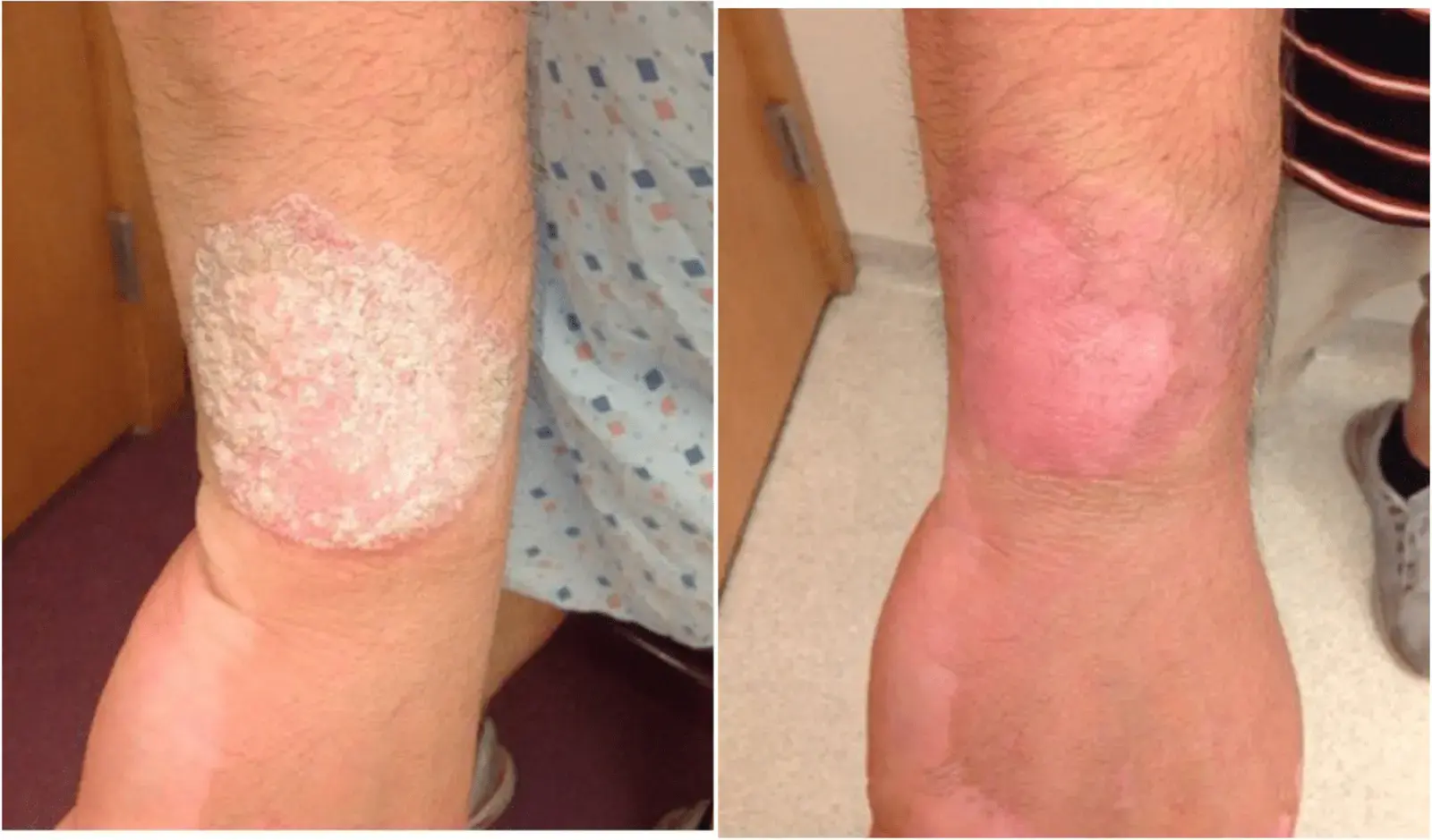
Psoriasis - the most documented condition treated at Naftalan
Psoriasis vulgaris and plaque psoriasis respond most consistently to the cure, with visible scaling reduction starting in the first week. Guttate psoriasis, which appears suddenly after respiratory infections, and the palmo-plantar form, which directly interferes with walking and manual work, also benefit from treatment, even though they respond more slowly.
Typical treatment duration: 10–18 days.
What patients report: reduced scaling, redness, and itching, with remission that frequently extends for months after the cure.
Atopic dermatitis - clinical improvement without side effects
Atopic dermatitis is a chronic, relapsing inflammatory disease whose incidence keeps rising across all age groups. The 20-patient clinical study mentioned above confirmed efficacy without adverse reactions - a real advantage over topical steroids, which can't be used long-term without risk to the skin.
Typical treatment duration: 10–14 days, adjusted to case severity.
What patients report: reduced dryness, redness, and persistent itching, especially around skin folds.
Chronic eczema - a method Azerbaijani doctors have used for decades
Chronic eczema, especially the form that resists repeated courses of cortisone cream, remains one of the conditions Azerbaijani physicians most often recommend naftalan for as a core complementary treatment. The anti-inflammatory, antihistamine, and analgesic properties of naftalan oil have been documented by Soviet and Azerbaijani researchers across several decades of clinical practice.
Typical treatment duration: 12–16 days.
What patients report: less dry skin, fewer cracks, fewer nighttime itching episodes.
How a naftalan cure actually works in practice
Standard treatment combines baths with refined naftalan, local applications to affected areas, and, in many cases, selective phototherapy or adjunct physiotherapy, all supervised by a dermatologist at the sanatorium. The procedure isn't painful and doesn't involve any invasive intervention - most patients describe it as a relaxing daily routine rather than a clinical medical treatment.
Results don't show up instantly for everyone. Some patients notice visible changes during the cure itself, especially in redness and scaling. Others keep improving for weeks after returning home, as the skin settles outside the therapeutic environment.
Quick guide: psoriasis, dermatitis, or eczema - what to expect from a cure
The table below compares treatment duration, the underlying research, and reported outcomes for the three dermatological conditions most commonly treated at Naftalan.
| Condition | Treatment duration | Reference study | Reported clinical outcome | Typical remission |
|---|---|---|---|---|
| Psoriasis vulgaris / plaque | 10–18 days | PMID 15072742, PMID 11600291 | PASI score reduced from 23.1 to 7.95 | Several months |
| Atopic dermatitis | 10–14 days | PMID 17433174 | Confirmed efficacy, no side effects | Varies by patient |
| Chronic eczema | 12–16 days | PMID 12967511 | Reduced dryness and skin cracking | Several months |
| Palmo-plantar psoriasis | 14–18 days | PMID 12967511 | Reduced cracking and scaling on palms | Several months |
Conclusion: a real treatment with real limits
Naftalan doesn't permanently cure psoriasis, atopic dermatitis, or chronic eczema - none of these diseases currently has a universally accepted cure in conventional medicine. What the studies cited above show is something else: a measurable reduction in inflammation, confirmed through biopsies and standardized clinical scores, not just a subjective sense of feeling better.
For a patient who has cycled through repeated rounds of topical corticosteroids without a stable result, a two-week cure at Naftalan offers a documented complementary option, not an empty promise. The decision should obviously be discussed with the treating dermatologist, particularly for patients on active biologic therapy.
Valentinatur arranges the full trip to Naftalan - flights, transfer, sanatorium accommodation, and support throughout the stay - for patients and for couples who want to combine treatment with a relaxing stay in Azerbaijan.
Psoriasis, atopic dermatitis, and chronic eczema share one thing: persistent skin inflammation. Naftalan oil, used at Naftalan for more than a century, delivers a clinically documented reduction in that inflammation, backed by published studies rather than spa tradition alone.
Want to plan a treatment cure at Naftalan?
Valentinatur consultants arrange flights, transfer, and sanatorium accommodation based on your condition and your doctor's recommendation.
📞 Request a personalized recommendation - 060 230 405
💬 Contact us on WhatsApp
FAQs about Naftalan Therapy
Does naftalan work for atopic dermatitis, not just psoriasis?
How long does a cure for chronic eczema last?
Does naftalan treatment have side effects?
Can I do a cure at Naftalan if I'm already on biologic therapy for psoriasis?
Why does naftalan work better than ordinary crude oil?
Where can I find more information on treating psoriasis at Naftalan?
Scientific Sources
Vržogić P, Ostrogović Ž, Alajbeg A. Naphthalan – A Natural Medicinal Product. Acta Dermatovenerologica Croatica, 2003;11(3):178–188. PMID: 12967511.
Vržogić P, et al. Naphthalanotherapy Reduces Angiogenetic Factor in Psoriatic Lesion. Acta Dermatovenerologica Croatica, 2004;12(1):7–11. PMID: 15072742.
Alajbeg I, et al. Non-aromatic Naphthalane Preparation: Preliminary Clinical Study in the Treatment of Psoriasis Vulgaris. Journal of Dermatological Treatment, 2001;12(3):145–148. PMID: 11600291.
Smeh-Skrbin A, Dobrić I, Krnjević-Pezić G, Vržogić P. Naphthalene in the Treatment of Patients with Atopic Dermatitis. Acta Dermatovenerologica Croatica, 2007;15(1):15–19. PMID: 17433174.
National Psoriasis Foundation. About Psoriasis. psoriasis.org/about-psoriasis.
Important note: Naftalan treatment at Naftalan is a complementary therapy, additional to the primary treatment prescribed by the patient's treating physician, not a substitute for it. Patients should not rely solely on the sanatorium cure or discontinue prescribed medication or treatment without their specialist's agreement. The content of this article is based on published scientific studies but is intended for general informational purposes and does not replace a consultation with a medical specialist. Any treatment decision should be made together with the treating physician.