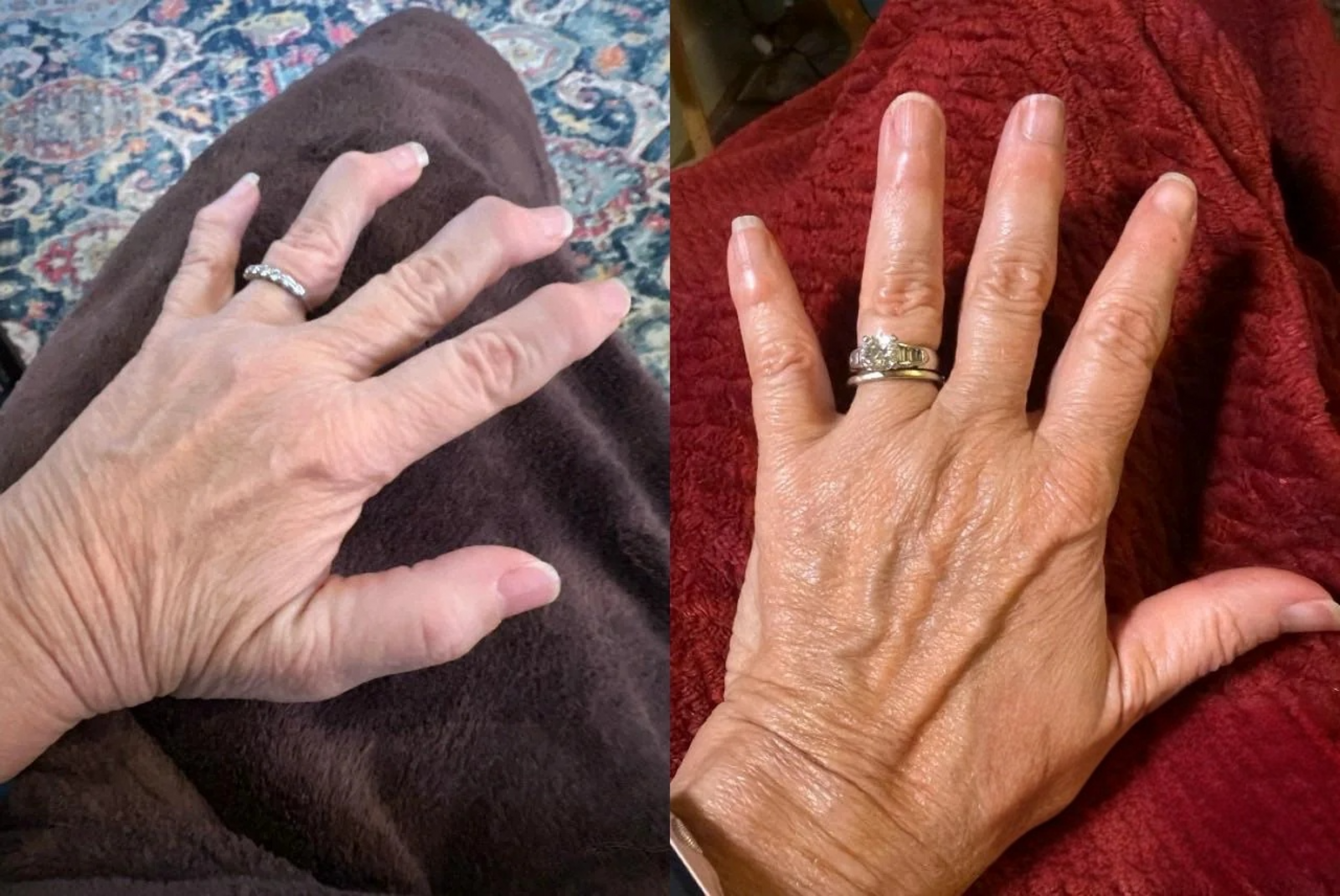


naftalan.md reviews clinical research recognized by the International League of Associations for Rheumatology (ILAR) on naftalan oil therapy for osteoarthritis, arthritis, and other musculoskeletal conditions. For more than a century, patients have traveled to Naftalan, Azerbaijan, for a real reduction in joint pain.
Painful joints stop responding to regular anti-inflammatories at some point. Thousands of patients with osteoarthritis, arthritis, and chronic back pain have found a clinically documented therapy at Naftalan, not just a spa tradition.
Naftalan, the resort town in western Azerbaijan, has treated patients with musculoskeletal diseases for more than a century - knee osteoarthritis, rheumatoid arthritis, ankylosing spondylitis, lumbar radiculitis, and many others. Unlike ordinary spa resorts, the therapeutic base here isn't thermal water but a type of oil found nowhere else on the planet, with a documented effect on joint and muscle inflammation.
Naftalan oil contains naphthenic hydrocarbons, steranes, and compounds structurally similar to natural human hormones. Research shows anti-inflammatory, analgesic, and vasodilatory effects, along with a documented ability to speed up nerve tissue regeneration after injury. For chronic joint conditions, this action profile explains why naftalan has remained, for generations, the core therapy recommended by sanatoriums in the region.
This article breaks down the mechanism of action, the musculoskeletal conditions actually treated at Naftalan, and what the published clinical studies show. For a guide focused on dermatological conditions treated with naftalan - psoriasis, atopic dermatitis, eczema - visit naftalan.md, the reference platform for medical tourism in Naftalan.
How naftalan acts on joints and muscles
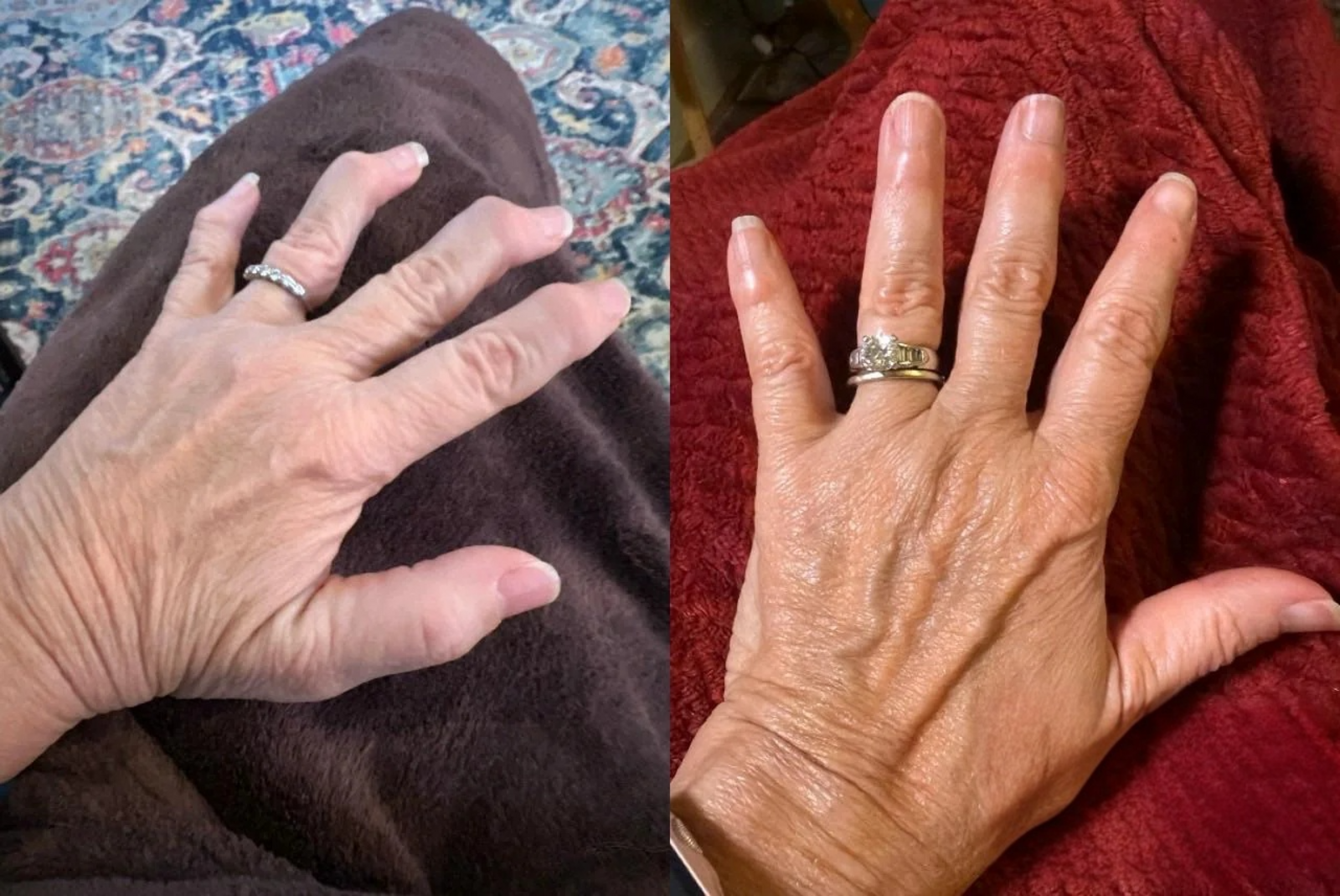
Osteoarthritis, regardless of which joint it affects, shares a common underlying mechanism: progressive cartilage breakdown sustained by low-grade chronic inflammation. A clinical study published in Drug Research, on 64 patients aged 40 to 69 with stage 1–3 knee osteoarthritis, tested combining refined naftalan applications with non-selective Bioptron chromotherapy. The result: reduced pain, improved joint function, and better quality of life, with no reported adverse effects. The naftalan-plus-phototherapy combination clearly outperformed naftalan used on its own.
The biological mechanism has also been confirmed experimentally. A study on an animal model of osteoarthritis measured C-reactive protein (CRP) - a standard marker of systemic inflammation - in animals treated with naftalan oil, white naftalan oil, and chondroitin sulfate ointment. White naftalan oil produced the most consistent CRP reduction, confirming the anti-inflammatory effect at the biochemical level, not just as a subjective sense of less pain.
For psoriatic arthritis, a clinical study on 43 patients treated with deresinated naftalan documented positive trends in clinical and laboratory markers of inflammation, reduced disease activity, and improvement in both joint and skin symptoms. The therapeutic response held for 6 months after the cure ended - a meaningful remission period for a chronic, relapsing disease.
Musculoskeletal conditions treated at Naftalan
Osteoarthritis (degenerative joint disease)
Knee osteoarthritis is the most clinically documented form, with results confirmed by a randomized study published in 2020. Hip, hand, and spinal osteoarthritis respond to the same therapeutic principle - reduced local inflammation and improved joint mobility.
Typical treatment duration: 14–21 days.
What patients report: less pain while walking and under load, increased joint mobility, reduced need for oral anti-inflammatories.
Rheumatoid arthritis and polyarthritis
Rheumatoid arthritis, gouty polyarthritis, and post-traumatic polyarthritis are among the classic indications for Naftalan's sanatoriums, with decades of clinical practice documented in Soviet and Azerbaijani specialist literature. Treatment targets active joint inflammation and aims to prevent the stiffness that sets in during chronic phases of the disease.
Typical treatment duration: 16–21 days.
What patients report: reduced morning stiffness, less joint swelling, improved functional capacity in daily activities.
Psoriatic arthritis
Psoriatic arthritis affects both skin and joints at once, which is exactly why it's hard to treat - therapy has to cover both sides of the disease. The clinical study cited above, on 43 patients, documented precisely that double benefit: simultaneous improvement in joints and skin, with remission holding for 6 months.
Typical treatment duration: 14–18 days.
What patients report: reduced joint pain alongside improvement in psoriasis plaques.
Spondylosis and ankylosing spondylitis
Spine conditions - spondylosis and ankylosing spondylitis - fall within the traditional treatment profile of Naftalan's sanatoriums, alongside spinal osteochondrosis. Naftalan is used here for its analgesic effect and for improving local circulation, complementing the physiotherapy and mobility exercises prescribed by the treating physician.
Typical treatment duration: 18–21 days.
What patients report: reduced spinal stiffness, less pain on waking, increased range of motion.
Radiculitis and peripheral neuralgias
Lumbosacral and cervicobrachial radiculitis, sciatica, and neuralgia of the sciatic, trigeminal, or occipital nerve respond to naftalan through a slightly different mechanism: the anti-inflammatory effect combines here with a documented ability to speed up regeneration of damaged nerve fibers. Treatment is delivered through general baths, local baths, and direct applications along the affected nerve path.
Typical treatment duration: 14–18 days.
What patients report: reduced pain along the affected nerve, better-controlled pain sensitivity, faster recovery of muscle strength.
How treatment actually works at the sanatorium
The patient enters the program after a full medical examination - lab work, ECG, ultrasound, and specialist consultations where needed. Standard treatment combines general and local baths with refined naftalan, direct applications to the affected joint or area, physiotherapy, massage, and, in many sanatoriums, guided therapeutic exercise sessions with a physical therapist.
For osteoarthritis and arthritis, the effect usually becomes noticeable toward the end of the first week, with progressive improvement through the rest of the cure. For spine conditions and radiculitis, full mobility recovery can continue even after returning home, as local inflammation settles completely.
Quick guide: musculoskeletal conditions treated at Naftalan
The table below compares treatment duration, the underlying research, and reported outcomes for the main musculoskeletal conditions treated at Naftalan.
| Condition | Treatment duration | Reference study | Reported clinical outcome | Typical remission |
|---|---|---|---|---|
| Knee osteoarthritis (gonarthrosis) | 14–21 days | PMID 32074648 | Reduced pain, improved joint function | Several months |
| Psoriatic arthritis | 14–18 days | PMID 7846875 | Simultaneous joint and skin improvement | Up to 6 months |
| Rheumatoid arthritis / polyarthritis | 16–21 days | PMID 12967511 | Reduced morning stiffness and swelling | Varies by patient |
| Spondylosis / ankylosing spondylitis | 18–21 days | Naftalan sanatorium data | Reduced stiffness, increased mobility | Several months |
| Radiculitis / peripheral neuralgia | 14–18 days | Naftalan sanatorium data | Reduced pain, faster nerve recovery | Several months |
Conclusion: a measurable therapy, not a vague promise
Naftalan doesn't permanently cure osteoarthritis, rheumatoid arthritis, or ankylosing spondylitis - these are chronic conditions with no definitive cure in current medicine. What the studies cited above show is something else: a measurable reduction in inflammation, confirmed through biochemical markers like CRP and standardized clinical scores, not just a subjective sense of feeling better.
For a patient with advanced osteoarthritis or chronic arthritis already on medication without a stable result, a two- to three-week cure at Naftalan offers a clinically documented complementary option. The decision to combine or temporarily pause other treatment should obviously be discussed with the treating rheumatologist.
Valentinatur arranges the full trip to Naftalan - flights, transfer, sanatorium accommodation, and support throughout the stay - for patients with joint conditions and for their families who want to combine treatment with a relaxing stay in Azerbaijan.
Osteoarthritis, rheumatoid arthritis, psoriatic arthritis, ankylosing spondylitis, and radiculitis share one thing: chronic inflammation of joints and nerves. Naftalan oil, used at Naftalan for more than a century, delivers a clinically documented reduction in that inflammation, backed by published studies rather than spa tradition alone.
Want to plan a joint treatment cure at Naftalan?
Valentinatur consultants arrange flights, transfer, and sanatorium accommodation based on your condition and your rheumatologist's recommendation.
📞 Request a personalized recommendation - 060 230 405
💬 Contact us on WhatsApp
FAQs about Naftalan Therapy for the Musculoskeletal System
Does naftalan actually help with knee osteoarthritis, or is it just a placebo effect?
How long does a cure for rheumatoid arthritis last?
Does naftalan work for ankylosing spondylitis too?
Can radiculitis or sciatica be treated at Naftalan?
Does naftalan treatment for joints have side effects?
Where can I find information about treating dermatological conditions at Naftalan?
Scientific Sources
Abramovich SG, Drobyshev VA, Koneva ES, Makhova AA. The Efficacy of the Comprehensive Use of Naphthalan and Non-Selective Chromotherapy in the Treatment of Patients with Gonarthrosis. Drug Research (Stuttg), 2020;70(4):170–173. PMID: 32074648.
Deresinated Naphthalan in the Treatment of Psoriatic Arthritis. Vopr Kurortol Fizioter Lech Fiz Kult, 1994. PMID: 7846875.
Vržogić P, Ostrogović Ž, Alajbeg A. Naphthalan – A Natural Medicinal Product. Acta Dermatovenerologica Croatica, 2003;11(3):178–188. PMID: 12967511.
Farajova AI. Study of the Effects of Naphthalan Oil, White Naphthalan Oil, and Artra Ointment on C-Reactive Protein in Rats with Experimental Osteoarthritis. Azerbaijan Journal of Physiology, 2024;39(2):11–18.
Important note: Naftalan treatment at Naftalan is a complementary therapy, additional to the primary treatment prescribed by the patient's treating physician, not a substitute for it. Patients should not rely solely on the sanatorium cure or discontinue prescribed medication or treatment without their specialist's agreement. The content of this article is based on published scientific studies but is intended for general informational purposes and does not replace a consultation with a medical specialist. Any treatment decision should be made together with the treating physician.